Job Site Porta Potty Rental for Chattanooga Crews
Roger Rental Works sets job site toilets for builders, roofers and road crews across Chattanooga and North Georgia. We run our own service trucks, so weekly cleaning shows up on schedule.
- Delivery area
- Job sites in Chattanooga, all of Hamilton County, Cleveland and the Georgia line towns, with delivery and pickup included. Farther sites pay one flat trip fee.
- Arrival
- Same day when you order by 12 PM on a weekday. Ask for a 2-hour window so the unit lands before your crew.
- Right unit
- A standard unit with a seat and urinal serves up to 10 workers on a 40-hour week.
- Cleaning
- Weekly pump, scrub and restock included, with a dated tag inside the door. Twice weekly for big crews or summer heat.
- Full cost
- Billed every 28 days until you call for pickup, with unit, service and tax itemized. See what sets the price.
Calls answered live during business hours. Quote requests get a call back within 30 minutes.
What does OSHA require for toilets on a construction site?
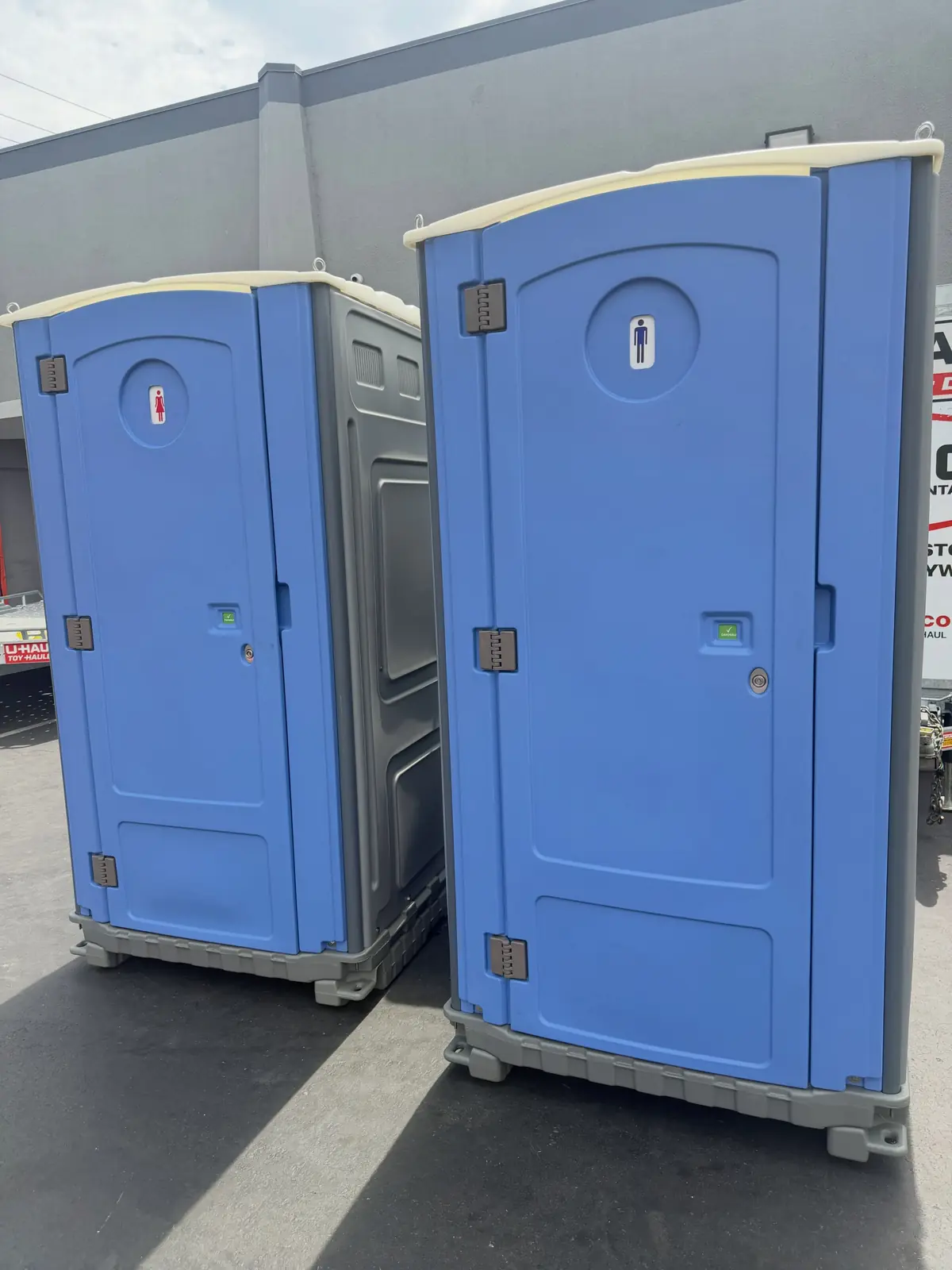
OSHA rule 29 CFR 1926.51(c) sets the toilet count for every construction job site. A crew of 20 or fewer workers needs at least 1 toilet. Larger crews need 1 seat and 1 urinal per 40 workers, and crews of 200 or more need 1 of each per 50 workers.
| Number of employees | Minimum number of facilities |
|---|---|
| 20 or fewer | 1 toilet |
| 20 or more | 1 toilet seat and 1 urinal per 40 workers |
| 200 or more | 1 toilet seat and 1 urinal per 50 workers |
Official source: OSHA 29 CFR 1926.51, sanitation on construction sites.
The rule also allows an exception for mobile crews that have quick transport to a nearby toilet. Most fixed job sites around Chattanooga do not qualify, so plan on a unit at the site.
How many porta potties should a Chattanooga crew really have?
A Chattanooga crew should plan 1 standard porta potty for every 10 workers on a 40-hour week, with weekly service. That is more than the OSHA minimum, but it keeps lines short and the tank from filling before the next visit. Use the crew estimator below for your exact count.
| Crew size | OSHA minimum (units) | What we suggest (units) | Service | Step up to |
|---|---|---|---|---|
| 5 workers | 1 | 1 | Weekly, included | Weekly is enough |
| 10 workers | 1 | 1 | Weekly, included | Twice weekly in July and August |
| 15 workers | 1 | 2 | Weekly, included | Twice weekly in July and August |
| 20 workers | 1 | 2 | Weekly, included | Twice weekly in July and August |
| 30 workers | 1 | 3 | Weekly, included | Twice weekly if any unit serves 10+ workers |
| 45 workers | 2 | 5 | Weekly, included | Twice weekly if any unit serves 10+ workers |
| 60 workers | 2 | 6 | Weekly, included | Twice weekly if any unit serves 10+ workers |
| 100 workers | 3 | 10 | Weekly, included | Twice weekly if any unit serves 10+ workers |
2
Enter your numbers.
Book this count: (423) 220-8808
Event math uses the standard portable sanitation sizing chart. Crew math uses OSHA 29 CFR 1926.51 Table D-1. See the full sizing guide.
Does a job site need hand washing stations?
OSHA rule 1926.51(f) requires washing stations when workers handle paint, coatings, herbicides or other harmful contaminants. Each station needs water, soap and towels. Our hand washing station has 2 basins and holds about 34 gallons, or roughly 500 hand washes between service visits.
Painters, drywall finishers and concrete crews are the usual cases. We suggest 1 station next to each toilet cluster. See the hand washing station rental page for size and setup.
Do Tennessee TOSHA rules differ from federal OSHA in Georgia?
Tennessee job sites fall under TOSHA, the state plan, which adopts the federal construction standards. Georgia job sites in Rossville, Ringgold or Fort Oglethorpe fall under federal OSHA. The toilet count is the same on both sides of the line: 1 toilet for up to 20 workers.
The difference is which agency shows up for an inspection, not how many units you need. Our guide to TOSHA jobsite toilet rules covers what Tennessee inspectors look for.
How do 28-day billing and weekly service work?
Construction rentals bill every 28 days, not by calendar month, and renew on their own until you call for pickup. Each week, a driver pumps the tank, scrubs the seat, walls and floor, adds fresh deodorizer and restocks paper and sanitizer. A dated tag inside the door shows each visit.
- Delivery day starts cycle 1. The first 28 days are paid when the unit lands.
- Weekly service runs on a set day. Keep the path to the unit clear of trailers and material.
- The cycle renews on day 29. You do not need to call to keep the unit.
- Call or text to stop. Billing stops the day you call, and pickup follows within 1 to 2 business days.
Where should the toilet go on a crane, roofing or framing job?
A job site toilet should sit on level, firm ground the service truck can reach. The truck needs a path about 10 feet wide with 12 feet of clearance, and the driver can roll a unit about 50 feet. Keep it out of the work zone but close enough for a quick walk.
- Crane jobs: outside the swing radius and the pick zone, so nobody walks under a load.
- Roofing: away from the tear-off chute and the dumpster, where shingles and nails fall.
- Framing: near the street side, so the unit stays reachable as walls and decks go up.
- New subdivision lots: one central lot can serve nearby houses. Move units as phases finish.
- Red clay lots: we set units on gravel, plywood or pavement so service still happens after rain.
Can one builder account cover many job sites?
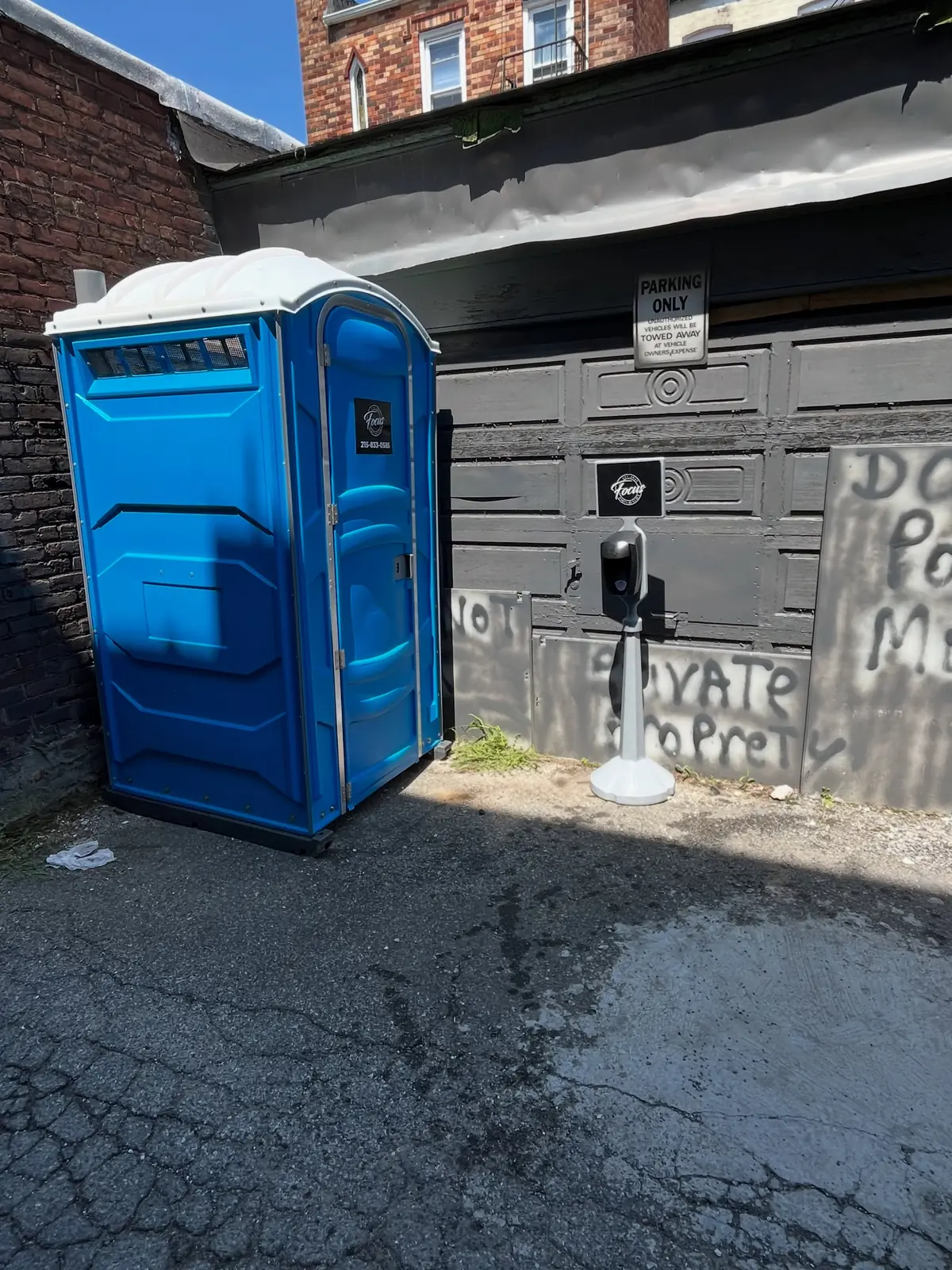
One builder account can cover every job site you run around Chattanooga, from a single lot in Ooltewah to a crew in Cleveland. Each unit is tied to its job address on the invoice. Orders of 5 or more units get a multi-unit rate, and towable units help crews that move often.
Growth corridors such as Ooltewah see new lots open every month. Call when a house closes out, and we move the unit to the next lot on the list.
When does a job site need service twice a week?
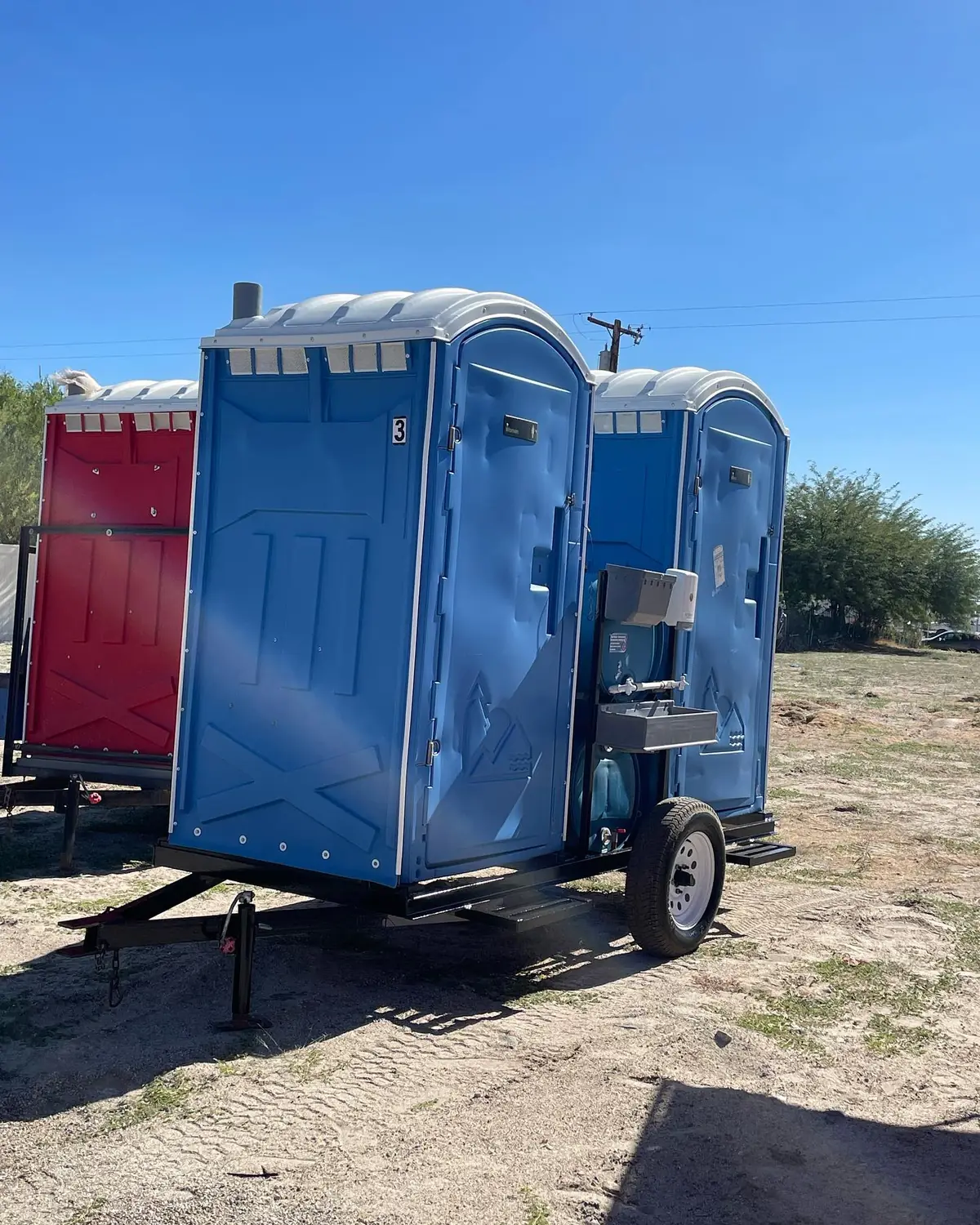
A job site needs twice-weekly service when 10 or more workers share 1 unit, or during July and August heat. A standard unit holds about 60 gallons, or roughly 200 uses between visits. Heat speeds up odor, so a second visit keeps the unit usable for the whole week.
Rainy months bring a different problem: mud. Our rainy season porta potty tips explain how to keep service on schedule.
Construction rental questions
Can it be delivered the day before so it's there when my crew shows up?
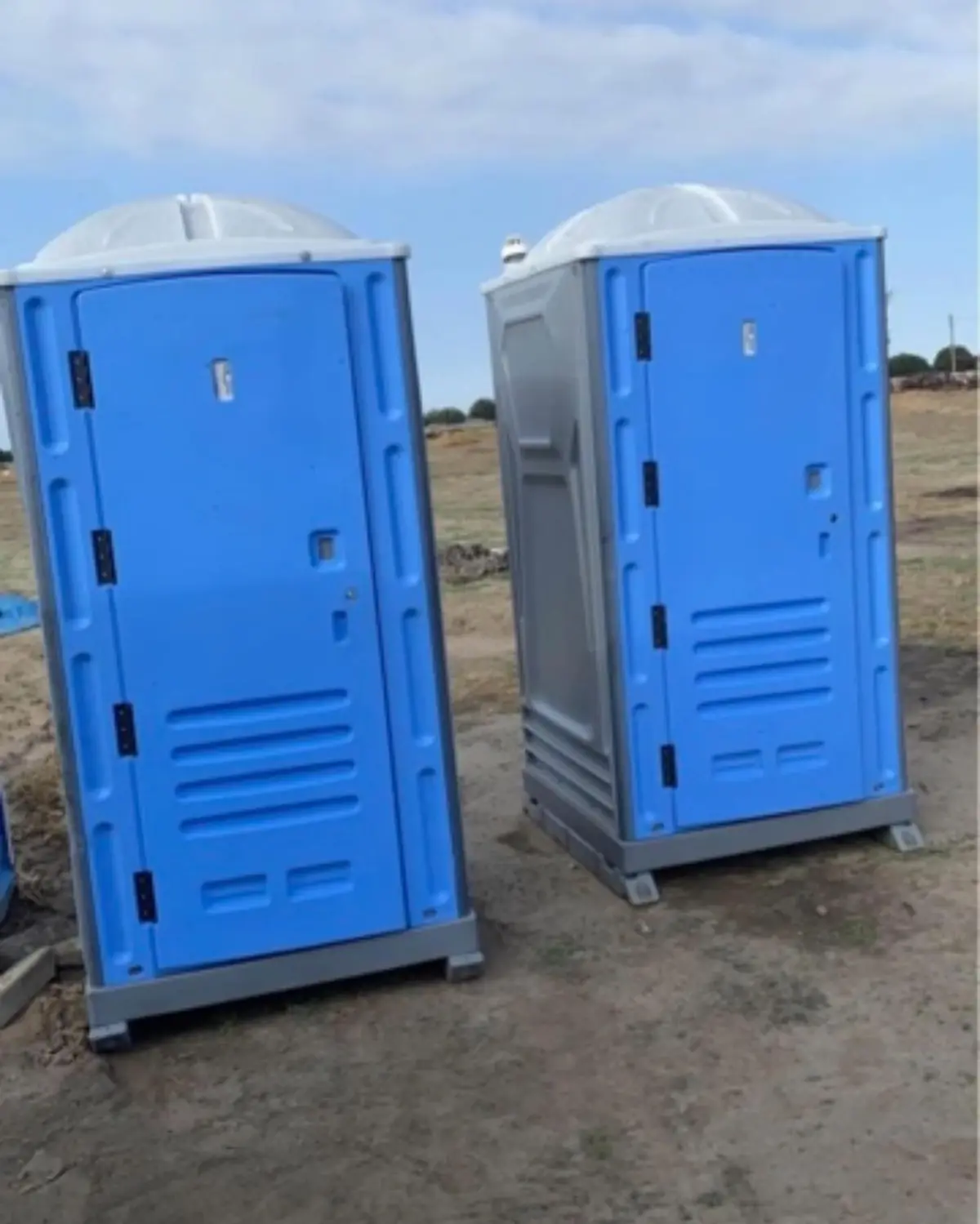
Day-before delivery is the most common way builders order. Our routes run from 7 AM to 5 PM, and a job site can ask for a 2-hour window. Mark the spot with a cone or text us a photo, and the unit is standing when your crew pulls in.
What does a construction porta potty cost per 28-day cycle?
A standard construction unit runs $145 to $195 per 28-day cycle in our core area. That covers delivery, weekly service and pickup. An added service visit runs $45 to $65 per unit. The first cycle is paid at delivery. See the porta potty cost guide for every line on the quote.
If we finish mid-cycle, do you prorate?
Billing stops on the day you call for pickup, not at the end of the 28-day cycle. Call or text as soon as the last trade leaves. We pick the unit up, usually within 1 to 2 business days, and no new cycle starts.
Can you put the order under my company name and invoice my company?
Business accounts can be set up under the company name and invoiced. Give us the billing contact, the job name and any PO number you want on the invoice. We also take card, debit and check.
Do you deliver to multiple jobsites for the same builder?
One builder account can cover as many job sites as you run, from Ooltewah lots to a Ringgold remodel. Each drop shows as its own line, tagged with the job address. Orders of 5 or more units get a multi-unit rate.
Can I put a lock on the crew's porta potty?
Ask for a hasp when you book, and add your own padlock. That keeps the public out of a crew unit after hours. Leave the key in a lockbox or text us the combo so the service driver can get in each week.